
I live in Celestún, a village of about 7,500 people west of Merida in the state of Yucatan in the Yucatan Peninsula. Most of the expats in Celestún are very friendly and very helpful towards each other.
I meet a lot of expats at the grocery store and I stop and talk for a minute. You would always have something to say because you could ask them where they are from or how long they’ve been here, etc.
The expats here in Yucatan mix well with the locals. They try to integrate themselves to the community here but they also do get out of their way to meet all the other expats.
A lot of expats come to Yucatan and think that everything is almost free or that it is very cheap. In reality, things are very reasonably priced here but you still have to buy them. Unfortunately, some people from other countries come to the Yucatan or to Mexico and think that they are going to live off of nothing and they get angry when they can’t.
The cost of living here in Mexico is cheaper compared to other North American countries. Some people come here with the thought that they could live in Mexico on $500 a month. That was true 50 years ago and some people still believe that they could do that, so they complain when things cost more even if they have the money to pay for it.
However, you can still live very cheaply here in Yucatan. The dentist in Merida (a city of over a million people in the state of Yucatan in the Yucatan Peninsula) told me a while ago that there was a lady from the US who receives a $600 pension a month and she survives here.
(Canadian expat, Gary De Spiegelaere, Celestún, Yucatan, Mexico, pictured.)



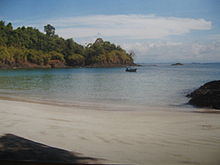 In the Caribbean coast in Boca del Toro, or Colon, or San Blas, where we have the beautiful white sand and pristine water, we do not have any record of any dangerous animal.
  Any restaurant you go to in Nicaragua and eat something with gravy or soup or have a cup of coffee or a cup of tea, you’re drinking their water. They don’t cook with purified water. Given this, I haven’t had a problem at all, but anyone with a delicate stomach might have a problem.
 If you bought a house in the Cayo district in San Ignacio or in Santa Elena, your neighbors would probably be poorer than you, but they would be very friendly. Everybody remarks on how friendly the local Belizeans are. They would make you feel at home, do anything for you, and they would enjoy having you as their neighbor. They wouldn’t, however, have your sort of money and be able to do the types of things you do.
  My experience as an American woman in Portugal 30 years ago was not good; at that time I found it a frustratingly "macho" country. However, this has definitely changed, perhaps as Luis da Silva mentions in an earlier post, this is due to most women now working, better education, and greater exposure to global influences.